
No products in the cart.
Breaking Barriers: Empowering Women in Sports
 admin
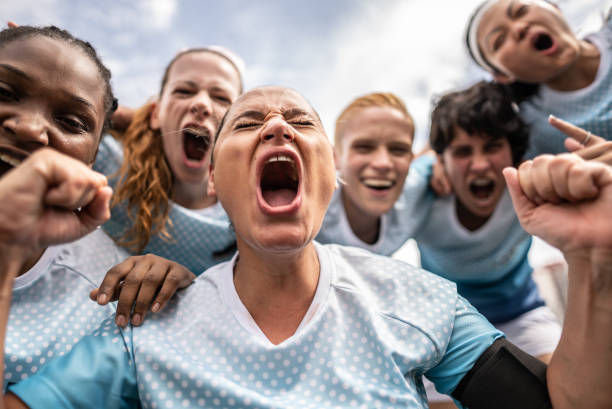
adminWomen’s participation in sport has grown dramatically over the past century, yet true equity remains a work in progress. Empowering women in sports is about more than increasing participation—it is about creating fair opportunities, amplifying voices, and reshaping systems so women can thrive as athletes, leaders, coaches, and decision-makers. When women are empowered in sport, the benefits extend beyond the field of play to communities, economies, and future generations.



Breaking Barriers and Changing Perceptions
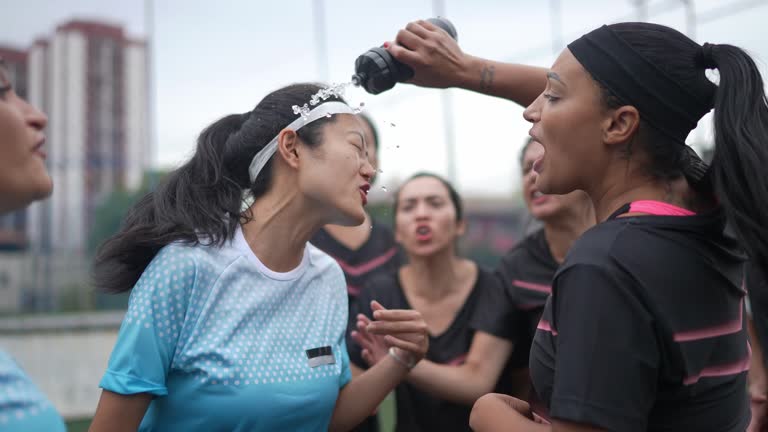
Historically, women in sports have faced structural and cultural barriers, including limited access to facilities, unequal funding, and persistent stereotypes about physical ability and leadership. While progress has been made, these challenges still influence participation rates and career pathways.
Empowerment begins by challenging outdated perceptions and recognizing women athletes for their skill, dedication, and competitive excellence. Increased visibility through media coverage, sponsorship, and storytelling plays a critical role in shifting public attitudes and inspiring young girls to see sport as a space where they belong.
Creating Equal Opportunities
Access is a cornerstone of empowerment. Girls and women must have equal opportunities to participate in sport at all levels—from grassroots programs to elite competition. This includes:
- Safe and inclusive facilities
- Equal investment in training, equipment, and support services
- Fair pathways for progression and talent development
When opportunities are equitable, sport becomes a powerful tool for building confidence, resilience, and leadership skills that extend far beyond athletic performance.
Leadership and Representation
Empowering women in sports also means increasing representation in leadership roles. Women remain underrepresented as coaches, referees, administrators, and executives across many sports organizations. Diverse leadership leads to better decision-making, stronger governance, and policies that reflect the needs of all participants.
Mentorship programs, leadership training, and intentional recruitment practices can help dismantle barriers and ensure women have a seat at the table where decisions are made.
Closing the Pay and Resource Gap
Pay inequality remains one of the most visible challenges in women’s sports. Despite growing audiences and commercial success in many women’s leagues, disparities in salaries, prize money, and sponsorship persist.
Closing this gap requires commitment from governing bodies, sponsors, broadcasters, and fans. Investing in women’s sports is not just a matter of fairness—it is a smart, sustainable strategy that fuels growth, expands audiences, and strengthens the entire sports ecosystem.
Sport as a Platform for Social Change
Women athletes have increasingly used their platforms to advocate for social justice, gender equality, and community development. Their voices influence public dialogue and challenge norms both within and beyond sport.
By supporting women athletes as advocates and leaders, sports organizations can help amplify positive change and demonstrate the broader societal value of empowerment through sport.
The Role of Education and Policy
Education and policy are critical drivers of long-term change. Schools, clubs, and national governing bodies must adopt policies that promote gender equity, prevent harassment and discrimination, and ensure safe participation for all.
Education programs that encourage girls to stay involved in sport during adolescence—when dropout rates are highest—are particularly important. Retention at this stage has a lasting impact on health, leadership development, and lifelong participation.
Looking Ahead
Empowering women in sports is not a one-time initiative; it is an ongoing commitment to equity, respect, and opportunity. Progress depends on collective action from athletes, organizations, sponsors, policymakers, and fans.
When women are empowered in sport, everyone wins. Stronger role models emerge, communities become healthier and more inclusive, and sport itself becomes a more powerful force for unity and positive change.
Click here to donate now Or share this post to spread the word.
Because your small donation can change a life—and that life might just change the world.